
Browse all articles and tutorials in one overview.
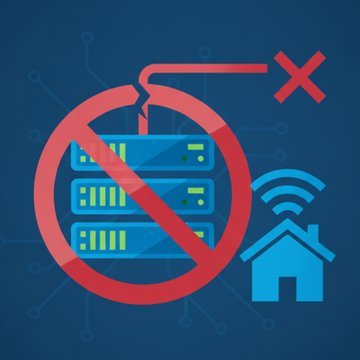
If you set up a web server or NAS at home and typed your own domain into the browser from inside your network, only to… Read more
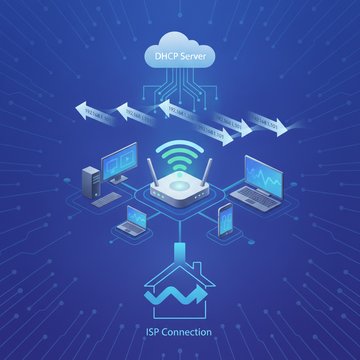
Your IP address keeps changing because most home internet connections use dynamic IP assignment, meaning your ISP hand… Read more
NTP stratum levels are numbers from 0 to 15 that tell you how many hops a time server is away from a reference clock. … Read more
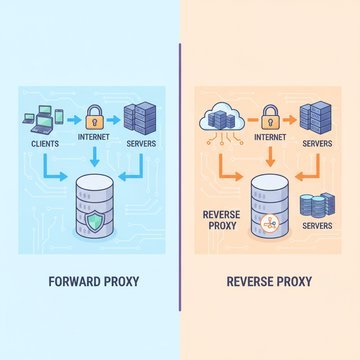
The core difference is simple: a forward proxy sits in front of clients and hides who is making requests, while a reve… Read more
DNS propagation is the time it takes for a change you make to your domain's DNS records (like a new IP address or name… Read more
IPv6 adoption sits at roughly 40% to 45% of Google's users worldwide in 2026, meaning most of the internet still runs … Read more
The core difference between ping and traceroute is what they measure: ping tells you whether a host is reachable and h… Read more
The HTTP status code 503 means the server is temporarily unable to handle the request. It is not a problem with your b… Read more
Your DNS server address is the IP address of the resolver your device uses to translate domain names (like google.com … Read more
In networking, ping is a diagnostic utility that tests whether one device can reach another across a network by sendin… Read more
Getting your IP removed from a blacklist means finding which lists flagged it, fixing whatever caused the listing, and… Read more
Port forwarding explained simply: it's a rule you configure on your router that says "any traffic arriving on port X s… Read more
Try a different keyword or clear the search.